The Aging Brain, in Plain Language
What the latest research actually says about how the brain changes with age — translated from the journals into the kind of sentences a person can read with their coffee.
Notes on the mind
A small, slow-moving journal gathering what one retired schoolteacher has learned about caring for the aging mind — from the kitchen table, in plain words, for the families walking this road together.
Margaret Hayes, Editor
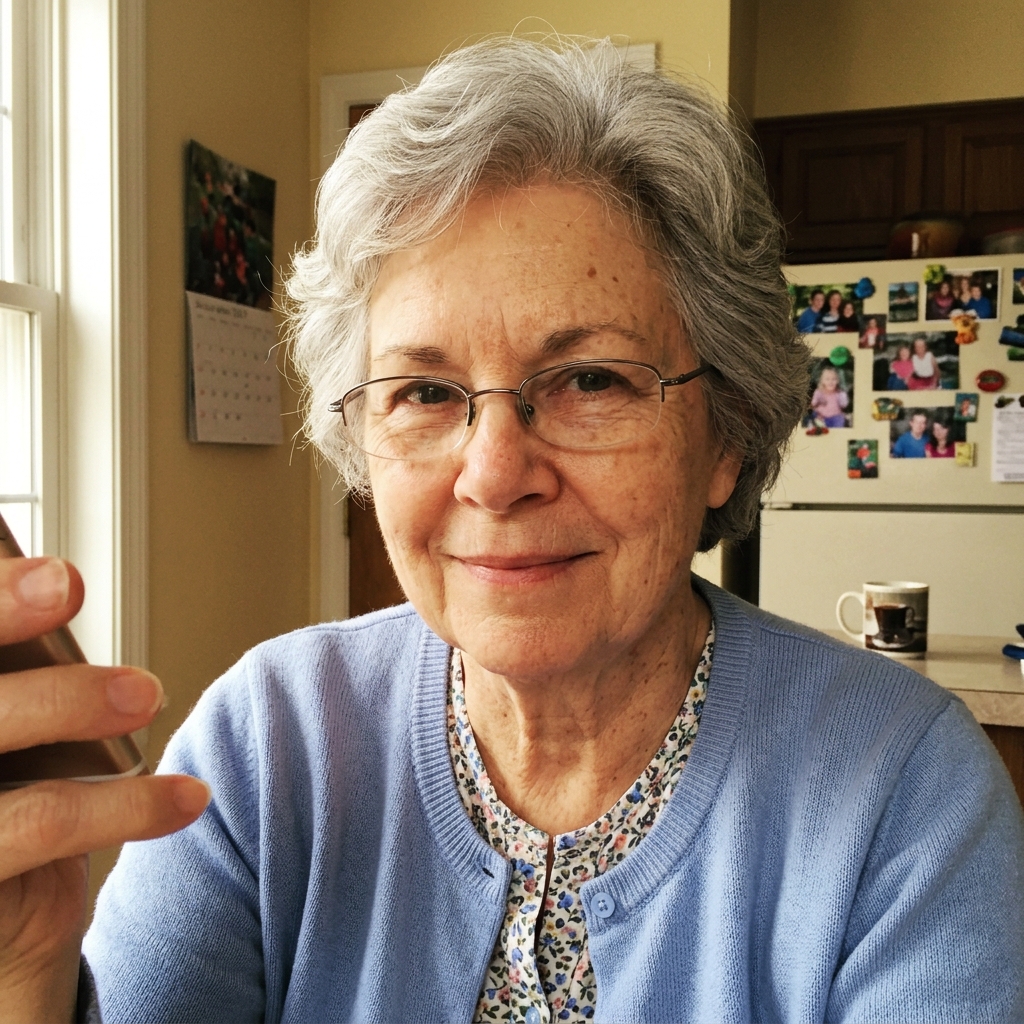
For thirty-two years I taught fourth grade in a small town in Tennessee. I retired in 2018 to care for my father as Alzheimer's slowly took him from us. Watching the brightest, kindest man I had ever known forget my name was the most painful thing I will ever carry. He passed in 2020, and for a long time I didn't know what to do with all I had read, all I had learned, all the questions no one had ever sat me down and answered.
So I began writing letters. To friends from church. To my sister when her husband's memory began to slip. To my own daughter, who was scared of what she saw in me on the days I forgot a word mid-sentence. I wrote down what the doctors had explained poorly, what the research actually said when you read past the headlines, and what my grandmother — who lived to ninety-six with a mind sharp enough to recite Robert Frost from memory — seemed to know without ever reading a study.
PremierCare is the place I am gathering those letters. It is not a clinic. It is not advice from a doctor — I am not one, and I will never pretend to be. It is one retired teacher's slow, careful notebook, made public for any family who wants to read along.
— Margaret
What the latest research actually says about how the brain changes with age — translated from the journals into the kind of sentences a person can read with their coffee.
Notes on what the centenarians of Okinawa, Sardinia, and the hill towns of Greece quietly do every day — and what we can borrow from them without buying anything.
For the daughters, sons, husbands, and wives walking alongside someone they love. The questions to ask. The grief to name. The small mercies that hold a household together.
Foods, herbs, and quiet traditions that grandmothers in every culture seem to have known about brain wellness — gently examined against what the science has caught up to.
The difference between a normal lapse and something that deserves attention — explained the way I wish a doctor had explained it to me when my father first started slipping.
Read the letterI have spent two decades trying to understand what kept her mind so present. Some of it is luck. Some of it is genetics. And some of it, I am now convinced, is simply how she lived.
Read the letterA short list I keep in the front of my notebook now. These are the questions I wish someone had handed me on the day my father was first prescribed a drug none of us understood.
Read the letterI read every letter. If you have a question, a story you would like to share, or a topic you wish I would cover in a future edition, the door is always open. Please do not write to me with medical emergencies — call your doctor for those. For everything else, I am here.
margaret@premiercare.shopReplies usually go out within one or two business days. I answer them personally.